



The post Iran’s Bitcoin Toll at Hormuz Could Generate Millions in Daily BTC Demand appeared first on Coinpedia Fintech News
For weeks, the Iran war has been one of the biggest reasons Bitcoin couldn’t sustain a rally.
Now, the same war handed Bitcoin one of the most unusual demand signals in its history.
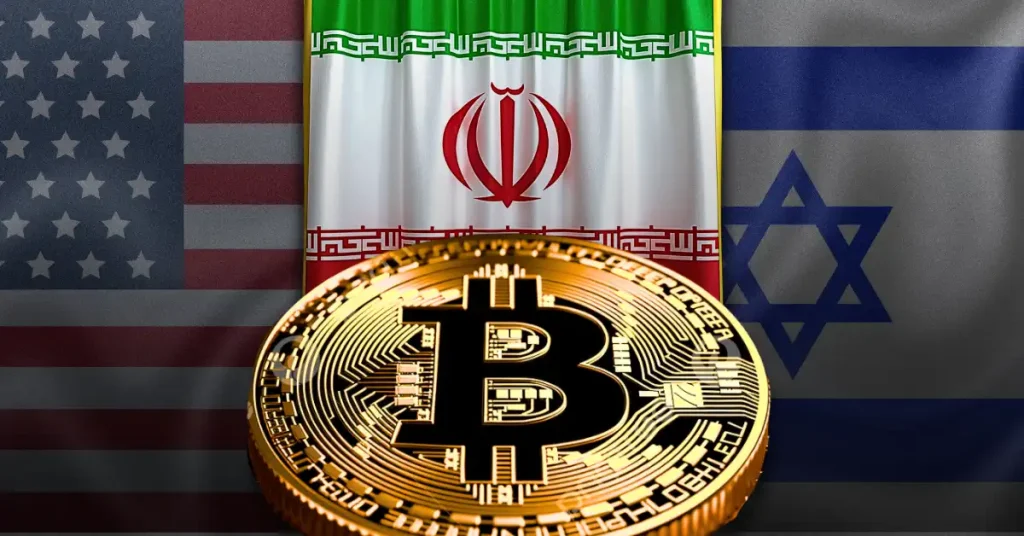
Iran has announced that oil tankers transiting the Strait of Hormuz must now pay a toll in Bitcoin. The tariff is set at $1 per barrel of oil, with the largest tankers carrying up to 3 million barrels – meaning a single passage could require a $3 million Bitcoin payment. Empty tankers pass for free. Everyone else pays in BTC, within seconds of receiving Iranian approval.
“Once the email arrives and Iran completes its assessment, vessels are given a few seconds to pay in Bitcoin, ensuring they can’t be traced or confiscated due to sanctions,” said Hamid Hosseini, a spokesperson for Iran’s Oil, Gas and Petrochemical Products Exporters’ Union.
Why Iran Chose Bitcoin and Why It Matters
The reasoning is straightforward: Bitcoin bypasses dollar-based financial channels, is non-sovereign, and falls outside the reach of Western sanctions. It fits precisely within Iran’s existing $7.8 billion crypto ecosystem, which Chainalysis has documented as increasingly central to how Iran moves money across borders.
This is not a small story. A sovereign government mandating Bitcoin as payment infrastructure for one of the world’s most strategically important shipping lanes – a route that carries approximately 20% of global oil supply – is huge.
Read More: Crypto Traders Are Calm Before CPI Data Release: Top 3 Price Scenarios
Martin Kelly, head of advisory at maritime intelligence group EOS Risk, noted the practical impact: under the new framework, only 10 to 15 ships can transit the Strait per day, down from 135 before the war began.
Adding an extraordinary dimension to the story, President Trump told ABC News on Wednesday that he was considering a US-Iran “joint venture” on the tolling system.
“It’s a way of securing it – also securing it from lots of other people. It’s a beautiful thing,” he said.
Bullish Signals Are Stacking
The toll announcement landed alongside two independent Bitcoin signals on the same day.
Michael Saylor, speaking at a Mizuho investor event, said Bitcoin likely bottomed near $60,000 in early February when forced sellers were flushed out, with ETF inflows now absorbing daily supply.
Separately, Bitcoin’s net taker volume just hit its highest level since early February – a sign that aggressive buyers have returned to the market.
Bitcoin surged above $72,000 following the ceasefire announcement and extended gains as the toll news broke.
The ceasefire is fragile and the toll system is still finding its feet. But for the first time since the war began, the same conflict that pressured Bitcoin is now creating direct, sanctions-proof demand for it. That’s a shift worth watching.